
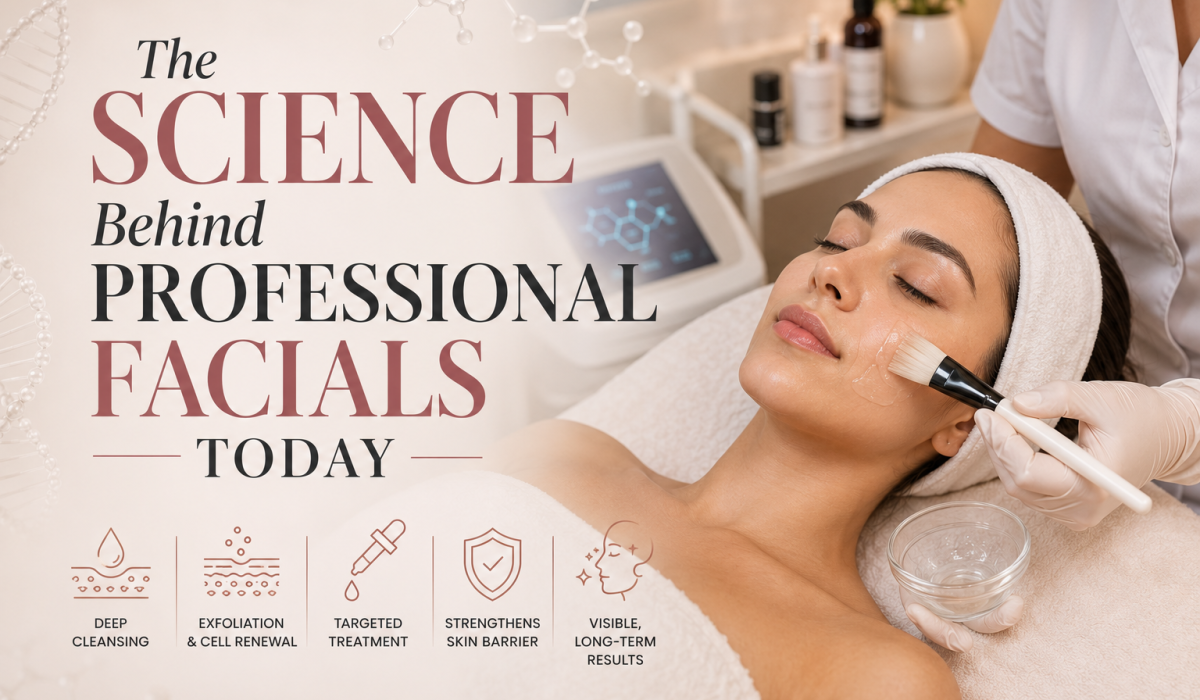
A facial is much more than cleansing and relaxation. Discover the science, skills, and expertise behind professional facial treatments.
When most people hear the word facials, they often think of relaxation, glowing skin, and a little self-care. While that’s certainly part of the experience, professional facials are actually rooted in science, skin health, and expert knowledge.
For aspiring skincare professionals, understanding the science behind a facial is what separates a beauty enthusiast from a qualified beauty therapist.
So, what really happens during a professional facial, and why is it considered one of the most important treatments in the beauty industry?
Every Facial Begins With Skin Analysis
Before any products are applied, a trained beauty therapist carefully analyses the client’s skin.
Is the skin dehydrated or dry?
Is there congestion, sensitivity, pigmentation, or premature ageing?
The answers to these questions determine the entire treatment plan.
This is why professional facials are never “one-size-fits-all.” Every skin type has unique needs, and understanding those needs requires knowledge of skin anatomy, skin conditions, and treatment protocols.
Understanding the Science of Skin
The skin is the body’s largest organ and serves as its first line of defence.
A professional facial works by supporting the skin’s natural functions through cleansing, exfoliation, hydration, circulation, and protection.
Each step has a purpose:
- Cleansing removes impurities and excess oil.
- Exfoliation encourages cell renewal.
- Massage stimulates circulation.
- Masks target specific skin concerns.
- Serums deliver concentrated active ingredients.
When performed correctly, these steps help improve skin health while addressing individual concerns.
Ingredients Matter More Than Trends
In today’s beauty world, new skincare ingredients seem to appear every month. However, professional therapists know that successful treatments are based on science rather than social media trends.
Ingredients such as hyaluronic acid, niacinamide, vitamin C, peptides, and AHAs are selected based on the client’s skin condition and treatment goals.
According to Vaishali Shah, Founder & Director, LTA School of Beauty, “A professional facial is not about following trends. It’s about understanding the skin and choosing the right treatment based on knowledge, not assumptions.“
Why Professional Training Is Essential
Many people can learn basic skincare routines online. However, performing professional facials requires a much deeper understanding of skin structure, hygiene standards, product chemistry, contraindications, and treatment techniques.
This is why comprehensive beauty education remains the foundation of a successful skincare career.
At LTA School of Beauty, students learn not only how to perform facials but also the science behind every step, preparing them for careers in salons, spas, clinics, and international beauty environments.
Professional facials are where science and skincare meet. Behind every glowing result is a combination of skin analysis, technical expertise, product knowledge, and professional training.
For students considering a career in skincare, understanding the science behind facials is the first step towards becoming a confident and knowledgeable beauty therapist.
Ready to turn your passion for skincare into a profession? Book a consultation with LTA School of Beauty and explore internationally recognised beauty and skincare programmes today.
FAQs
1. What are professional facials?
Professional facials are customised skincare treatments designed to improve skin health through cleansing, exfoliation, hydration, and targeted treatment techniques.
2. Why is skin analysis important before a facial?
Skin analysis helps therapists identify concerns and select the most suitable products and techniques for each client.
3. What ingredients are commonly used in professional facials?
Common ingredients include hyaluronic acid, vitamin C, niacinamide, peptides, and exfoliating acids.
4. Can anyone perform professional facials?
Professional facials should be performed by trained beauty therapists who understand skin science, hygiene, and treatment protocols.
5. How can I become a professional skincare therapist?
Enrolling in a recognised beauty therapy programme with practical and theoretical training is the best pathway to a professional skincare career.