Can AI replace beauty careers? Explore with Priyanka Parshurami in this feature on how technology is transforming the beauty industry and why human expertise remains essential.
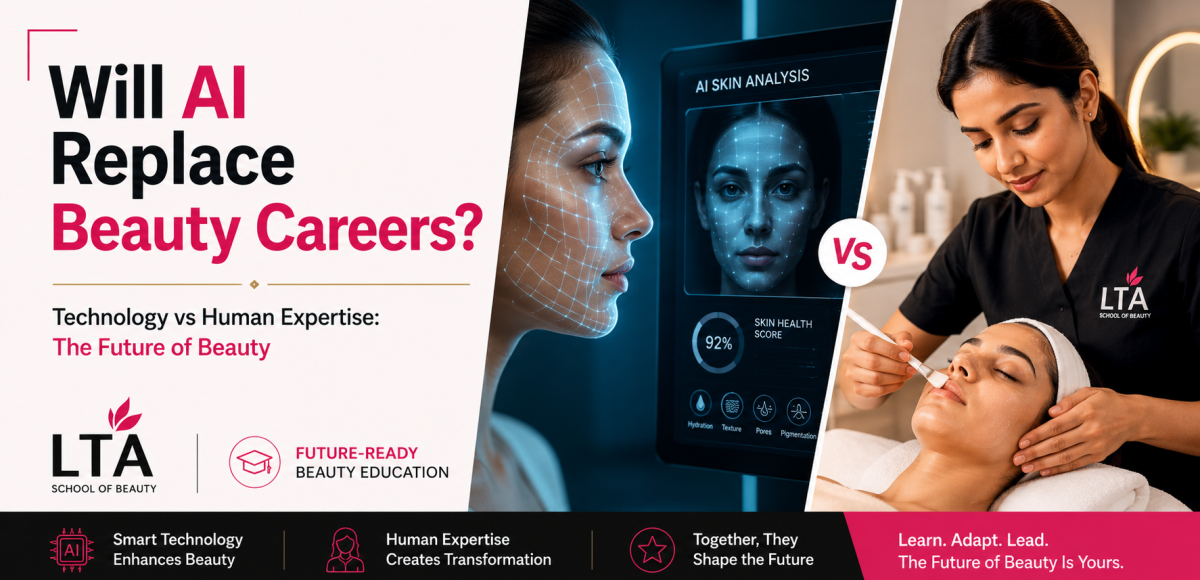
As artificial intelligence (AI) continues to transform industries across the world, many students and professionals are asking an important question: Will AI replace beauty careers? From AI-powered skin analysis tools to virtual makeup applications and personalized skincare recommendations, technology is undoubtedly changing how beauty services are delivered. However, while AI is reshaping certain aspects of the industry, the future of beauty careers remains promising, dynamic, and deeply human.
In fact, rather than eliminating jobs, AI is creating new opportunities for beauty professionals who are willing to adapt, learn, and embrace innovation. The beauty industry has always evolved with trends and technology, and the rise of AI is simply the next chapter in that journey.
“Technology can support beauty professionals, but it cannot replace the human touch, creativity, empathy, and expertise that clients value. The future belongs to professionals who combine skills with innovation.” — Vaishali Shah, Founder & Director, LTA School of Beauty
How AI Is Changing the Beauty Industry
Artificial intelligence is already making an impact across the beauty and wellness sector.
Today, consumers can access:
- AI skin analysis apps
- Virtual makeup try-on tools
- Personalized skincare recommendations
- Smart beauty consultations
- Automated appointment systems
Global beauty brands are investing heavily in AI-driven experiences to improve customer engagement and personalization.
For example, AI can analyze skin concerns, recommend products, and provide data-driven insights within seconds. This helps consumers make more informed beauty decisions.
But does that mean AI can replace beauty professionals entirely?
The answer is no.
Why AI Cannot Replace Human Beauty Professionals
Beauty services are not simply about applying products or performing treatments. They involve trust, communication, personalization, and emotional connection.
Clients Want Human Interaction
A beauty consultation often goes beyond technical advice. Clients seek reassurance, confidence, and personalized guidance.
A machine may identify skin concerns, but it cannot fully understand a client’s emotions, preferences, lifestyle, or aspirations.
Creativity Cannot Be Automated Completely
Whether it’s bridal makeup, hair transformations, or skincare treatments, creativity remains a core component of many beauty careers.
AI can provide recommendations, but it cannot replicate an experienced professional’s artistic judgement and unique style.
Beauty Requires Hands-On Expertise
Many beauty treatments involve physical skills that cannot be automated easily.
Examples include:
- Facials
- Hair colouring
- Makeup application
- Spa therapies
- Advanced skincare treatments
These services require precision, adaptability, and professional expertise.
The Future of Beauty Careers: Human + Technology
The future is unlikely to be a competition between humans and AI.
Instead, successful beauty careers will combine professional skills with technological knowledge.
Beauty professionals who understand how to use AI tools effectively may actually gain a competitive advantage.
For example:
Smarter Consultations
AI-powered skin analysis can help therapists provide more accurate recommendations.
Personalized Client Experiences
Technology can help professionals track treatment progress and customize services.
Improved Efficiency
Automation can reduce administrative tasks, allowing professionals to focus on clients.
The professionals who embrace these tools will be better positioned to succeed in an evolving industry.
New Beauty Careers Emerging Because of AI
Interestingly, AI is creating entirely new opportunities within the beauty sector.
Some emerging roles include:
Beauty Technology Specialist
Professionals who understand both beauty treatments and digital beauty tools.
Skin Analysis Consultant
Experts who use AI-assisted diagnostics alongside professional skincare knowledge.
Beauty Content Creator
Social media, education, and digital beauty content continue to grow rapidly.
Wellness and Personalization Advisor
Consumers increasingly seek customized beauty and wellness solutions.
As technology advances, new career paths are likely to emerge alongside traditional beauty roles.
Skills Future Beauty Professionals Should Focus On
If you are considering a career in beauty, future success will depend on developing skills that technology cannot easily replace.
Communication Skills
Strong client relationships remain essential.
Critical Thinking
Professionals must interpret information and make informed recommendations.
Creativity
Personalized beauty solutions require imagination and artistic expertise.
Emotional Intelligence
Understanding client concerns and building trust remains invaluable.
Technical Excellence
Practical beauty skills will continue to be the foundation of successful careers.
These qualities ensure that beauty professionals remain relevant regardless of technological advancements.
Why Professional Training Matters More Than Ever
As the industry evolves, quality education becomes increasingly important.
Professional beauty training helps students develop:
- Technical expertise
- Industry knowledge
- Client consultation skills
- Business awareness
- Adaptability to emerging technologies
Students who receive structured education are often better prepared to navigate industry changes and seize new opportunities.
The Role of International Certifications
Internationally recognized qualifications can further strengthen career prospects.
VTCT Certification
VTCT qualifications help demonstrate professional competency and industry-standard skills.
CIDESCO Certification
CIDESCO remains one of the most respected international beauty and spa therapy certifications, recognized across global markets.
These certifications help professionals remain competitive in an increasingly sophisticated industry.
What Beauty Careers Will Look Like in the Next 10 Years
Over the next decade, beauty careers are expected to become more specialized, technology-enabled, and client-focused.
Professionals may increasingly work alongside:
- AI-powered diagnostics
- Smart skincare devices
- Virtual consultations
- Personalized treatment plans
- Digital beauty platforms
However, the demand for skilled beauty therapists, cosmetologists, makeup artists, hair specialists, and wellness professionals is expected to continue.
Technology may change how services are delivered, but it is unlikely to eliminate the need for trained professionals.
The rise of artificial intelligence has sparked important conversations about the future of work, but the outlook for beauty careers remains highly positive. While AI can support consultations, improve efficiency, and enhance personalization, it cannot replace the creativity, empathy, expertise, and human connection that define successful beauty professionals.
Rather than fearing technology, aspiring professionals should focus on building strong skills, gaining practical experience, and embracing innovation. The future will belong to those who combine professional expertise with technological awareness.
Ready to Build a Future-Proof Career in Beauty?
Gain industry-relevant skills, hands-on training, and internationally recognized certifications that prepare you for the evolving beauty industry.
Book a consultation with LTA School of Beauty today and discover how our VTCT and CIDESCO programs can help you build a successful future in beauty.
FAQs
1. Will AI completely replace beauty careers?
No. While AI can support certain tasks, beauty careers rely heavily on human interaction, creativity, expertise, and hands-on skills.
2. How is AI changing the beauty industry?
AI is improving skin analysis, personalized recommendations, virtual consultations, and customer experiences.
3. Are beauty careers still a good option in the future?
Yes. The beauty and wellness industry continues to grow, creating new opportunities for trained professionals.
4. What skills will future beauty professionals need?
Communication, creativity, emotional intelligence, technical expertise, and adaptability will remain highly valuable.
5. Can AI help beauty professionals?
Yes. AI can enhance consultations, improve efficiency, and support personalized treatment recommendations.
6. What certifications can strengthen beauty career opportunities?
International certifications such as VTCT and CIDESCO can improve credibility and expand career opportunities.